
Your rate
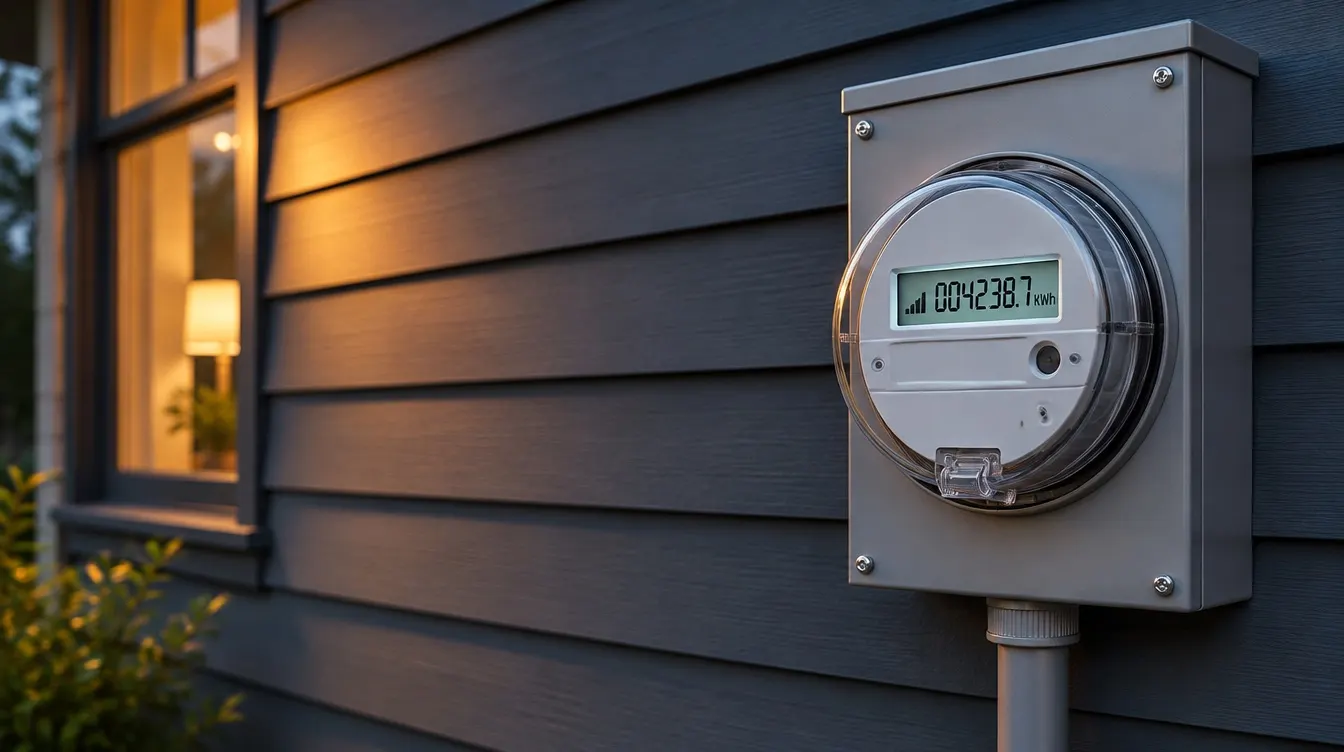
Divide each bill by its kWh and you get what you actually paid per unit. We apply that price change to your average usage. Without kWh, we fall back on your state's average price, which is much rougher.
Compare two bills. See what changed.
greg@gelfuzion.com
Put two bills side by side. See how much came from your rate, the weather and everything else.
Divide each bill by its kWh and you get what you actually paid per unit. We apply that price change to your average usage. Without kWh, we fall back on your state's average price, which is much rougher.

Homes in each state respond differently to heat and cold. Federal records since 2015 show how much, so we can estimate what your two months' weather should have done to your usage.
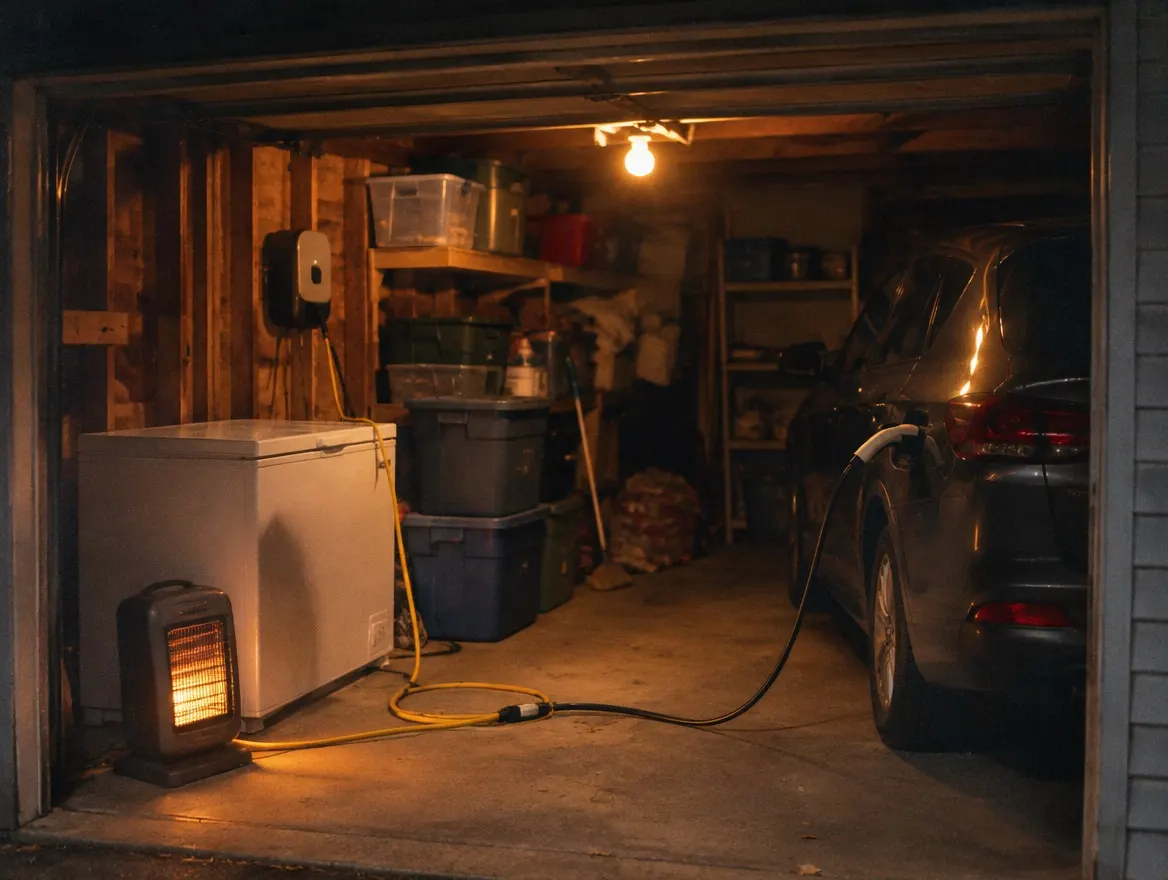
What's left: a new freezer, an EV, a houseguest, a longer billing period, a meter estimate. It also picks up our own errors, so treat it as a place to start looking.
Pull up two bills and look for three numbers on each one: the total, the kWh used and the month the service mostly covered. If your billing period crosses two months, pick the one with more days. Then choose your state and press the button.
The result splits the change into three lines. Rate is what the change in your price per kWh cost you. Weather is what your state's temperature records suggest should have happened to usage. Everything else is what's left over, including real changes in your home and any error in our estimate.
If rate leads, compare the supply, delivery and rider lines on the two bills, and check whether a fixed-term plan ended. This guide covers the usual causes. If weather leads, the increase may be normal for that month, and sealing or servicing your heating and cooling is where to look. Here's how weather affects bills. If everything else leads, work through the high bill checklist, starting with billing days and estimated reads.
When two causes are too close to separate, the tool says so. That is a real limit of the data and it's better to know it.
The usual causes are a higher price per kWh, hotter or colder weather, more days in the billing period, or a change at home like new appliances. Comparing two bills shows which one matters most in your case.
It is optional but strongly recommended. With kWh from both bills, the tool uses what you actually paid per kWh. Without it, the tool falls back on your state's average price, which is much rougher.
The same month a year apart is best, as it removes most of the seasonal effect. You can also compare consecutive months, but expect weather to play a larger role.
It is an estimate. The method tested well against statewide data, but it has not been tested on individual household bills, and it can't see tiers, time-of-use pricing or fixed fees.
No. It is free, there is no sign-up, and it runs in your browser, so your numbers aren't sent to us.
Every utility lays out its bill differently, but nearly all of them contain the same few parts.
When usage holds steady and the total climbs, the weather and your habits are probably not the reason.
Heating and cooling respond directly to outdoor temperature, so a month that feels only a little hotter can show up clearly on your bill.
Don't start by unplugging phone chargers.
These are estimates from statewide figures. Your street's weather, tiered plans, fixed fees and billing dates can all change the answer. Confirm anything important with your utility.
Prices and usage: U.S. Energy Information Administration, Form EIA-861M, through . Weather: NOAA nClimDiv and Climate Prediction Center data, through . On 2023 onward data the state models had a median R² of . Weather isn't modeled for Alaska, Hawaii, DC or Maine.