Updated November 6, 2026
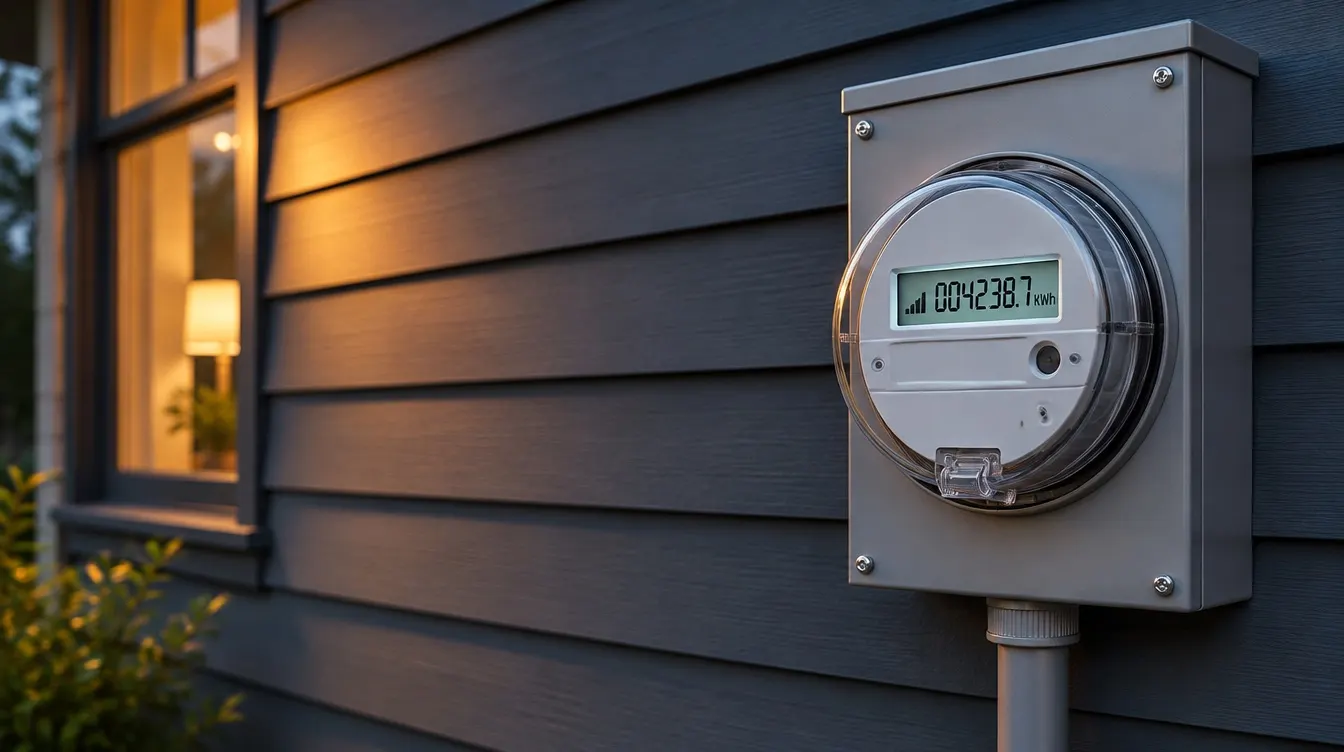
First, confirm that usage really was flat
Compare kWh per day, not just kWh. A 34-day bill with the same total kWh as a 28-day bill actually means you used less per day, while the reverse hides an increase. Also compare with the same month last year, not just the previous month, so the season is the same on both sides.
Five common price causes
1. A base rate change
Regulated utilities change rates through filings with state regulators. These often take effect at set times of year. Your utility's website or a bill insert usually announces them, and your state utility commission publishes the filings.
2. An expired supply plan
In states with retail choice, a fixed-term plan may roll onto a variable rate when it ends. This can be a big jump, and it may only be mentioned in a notice you never read. Check the supplier name and rate on your bill against your original plan.
3. New or larger riders
Fuel adjustments, storm recovery and similar line items can move between rate cases. Compare each line on the two bills side by side. If a line is new, search its exact name along with your utility's name.
4. Tier thresholds
On a tiered plan, the threshold can differ between summer and winter. The same kWh may cost more in a season with a lower threshold, even when no rate changed.
5. A time-of-use shift
If you moved to a time-of-use plan, or your schedule changed, the same kWh can fall into pricier hours. Some utilities have moved customers onto these plans by default, so check the rate schedule printed on your bill.
The opposite puzzle: price per kWh rises when you use less
Fixed charges can make your all-in price look worse in a low-usage month. Here is a simple example with a $15 fixed charge and a 15 cent energy rate:
| Usage | Energy | Fixed | Total | All-in price |
|---|---|---|---|---|
| 1,000 kWh | $150 | $15 | $165 | 16.5¢ |
| 500 kWh | $75 | $15 | $90 | 18.0¢ |
The rate did not change, yet the all-in price rose 9%. This is why our tool warns you to check the rate lines before blaming a rate increase.
How to size the price effect yourself
Take the change in your all-in price and multiply it by your average kWh. If your price went from 16¢ to 18¢ and you used about 900 kWh, price explains about $18 of the change. Our bill comparison tool does this math and also separates out the estimated weather effect.
What to do next
- Call your utility and ask which charges changed between the two bills.
- If you have a separate supplier, ask for your current rate and when your term ended.
- Ask whether a lower-cost plan or an assistance program applies to you.
- If you believe a charge is wrong and your utility will not resolve it, your state utility commission usually takes consumer complaints.
Common questions
Can my utility raise my rate without telling me?
Regulated rate changes go through a public process and are normally announced, but the notice may be a small bill insert. Supply plan changes follow your contract and state rules.
Why did my bill go up if I used less electricity?
A higher rate, a new rider or a fixed charge can outweigh lower usage. Fixed charges also make your all-in price per kWh rise when usage falls.
Should I compare with last month or last year?
Compare with the same month last year to remove most of the seasonal effect, then use last month as a second check.
Who do I complain to about a bill?
Start with your utility or supplier. If that does not resolve it, your state public utility commission usually accepts consumer complaints.