Updated November 6, 2026
What degree days are
Degree days measure how far outdoor temperatures sit from a comfortable baseline, usually 65°F. A day averaging 80°F counts as 15 cooling degree days. A day averaging 40°F counts as 25 heating degree days. Add up a month's daily figures and you get a single number describing how much cooling or heating that month demanded. NOAA publishes these figures for every state.
Why the same weather costs different amounts
A month with 100 extra cooling degree days does not mean the same thing everywhere. The effect depends on what homes in an area use:
- Electric heating: states where many homes heat with heat pumps or electric resistance see a strong winter response. States that mostly heat with natural gas show less, because the furnace bill rises rather than the electric bill.
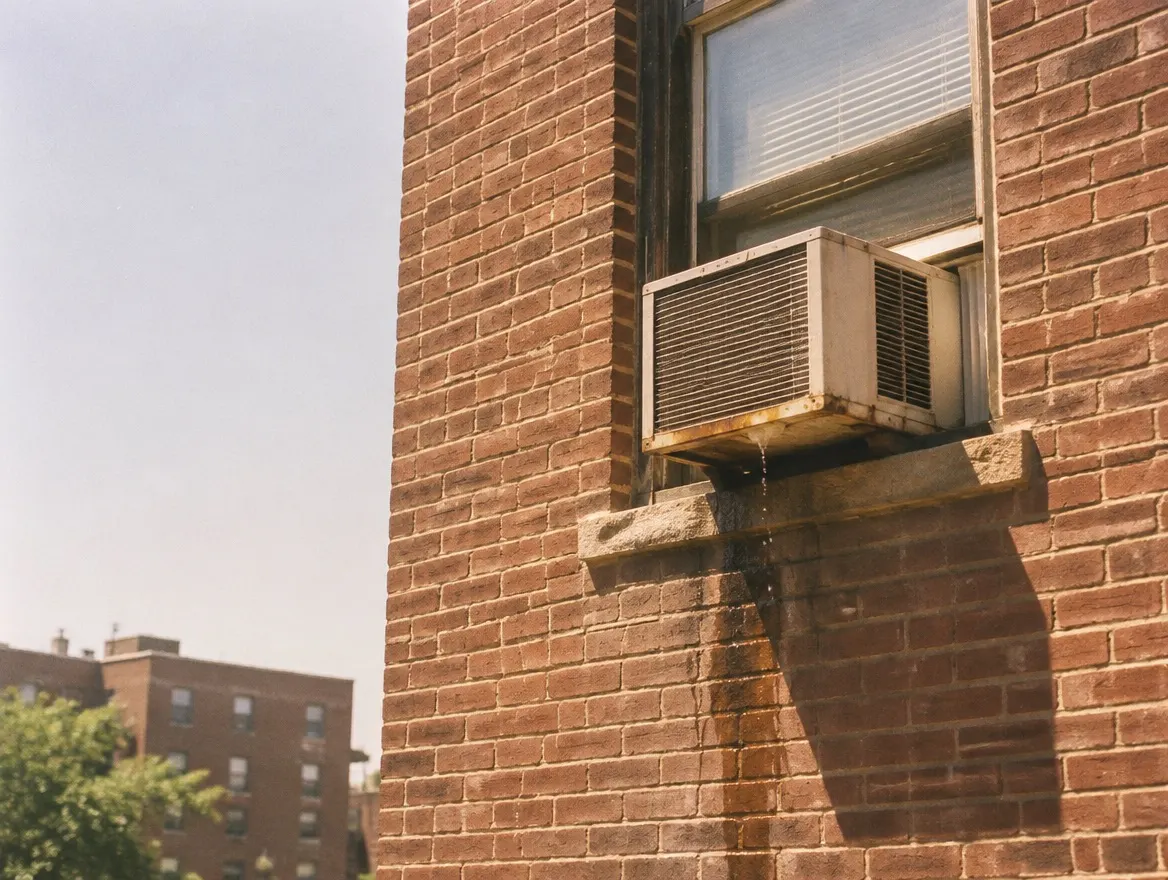
- Air conditioning: states with near universal central air respond strongly to heat. Places where air conditioning is less common respond less.
That is why we estimate each state separately. Each state page shows how many extra kWh the average home in that state has used per added degree day.
How our estimate works
For most states we fit a model to monthly federal records of residential electricity sales per customer against that state's cooling and heating degree days. Billing cycles straddle calendar months, so we weight each month with a small share of the month before. The model then predicts how much usage should change between your two months from weather alone.
We apply that predicted percentage to your own usage. If the model says your state's weather should have raised usage 12%, and you used 800 kWh on the first bill, weather accounts for about 96 kWh. Multiply that by your average price to get dollars. You can read the full details and test results on our method page.
Where the estimate falls short
A state average is a blunt instrument. A heat wave on the coast may not have reached you inland. Your home might be better insulated than average, or it might heat with gas where most neighbors heat with electricity. So we show weather as a range and tell you when the data is weak. We do not model weather for Alaska, Hawaii, Maine or the District of Columbia, because the data or the fit was not good enough.
How to check weather against your own home
- Find the same month last year on your bill's usage chart.
- Compare kWh per day between the two.
- Ask whether the month felt hotter or colder than last year, and whether a thermostat setting changed.
- Run both bills through the tool and see if the weather range covers your usage change.
If weather explains only a small part of a large increase, look elsewhere: new appliances, an EV, extra people at home, a failing heat pump running on backup heat, or an old freezer. Our high bill checklist walks through each of these.
Lowering the weather effect
You can't change the weather, but you can reduce how hard your home responds to it. Sealing air leaks, adding attic insulation, keeping filters clean and servicing heating and cooling equipment all reduce the kWh used per degree day. A smart thermostat setback helps too, although a heat pump with electric backup strips may need a setting that avoids triggering them when recovering from a setback.
Common questions
What is a cooling degree day?
A measure of how far a day's average temperature sits above a baseline, usually 65°F. A day averaging 75°F counts as 10 cooling degree days.
Why is my winter electric bill high if I heat with gas?
A gas furnace still uses electricity for its blower, and winter brings more lighting and time indoors. If the jump is large, check space heaters, heated floors and any electric backup heat.
Why doesn't the tool model weather in my state?
We leave out Alaska, Hawaii, Maine and DC because weather data was missing or the statistical fit was too weak to trust. Rate and usage figures still work there.
Can a single heat wave really change my bill much?
Yes, because air conditioners run far longer when nights stay warm. But the size depends on your home and equipment, so check your kWh per day.